This project was my attempt to design a tank-style robot that could climb and hold its position using suction. The goal was to prototype a platform capable of moving across surfaces where wheels or tracks alone wouldn’t provide enough grip.
Key Features
- Tank Drive – Independent tracks for maneuverability across flat and inclined surfaces.
- Suction Chamber – A sealed cavity beneath the chassis generated suction, helping the robot adhere to surfaces.
- 3D Printed Frame – Fully FDM-printed components designed for modularity and quick iteration.
- Compact Motor Integration – Small DC motors embedded in custom housings to drive the tracks efficiently.
Prototyping Process
I worked through several CAD design iterations before building functional prototypes:
- Frame & Tracks – Modeled and printed tank treads with sprockets to improve traction and alignment.
- Suction System – Tested different gasket materials and chamber sizes to maximize holding force.
- Assembly & Testing – Printed parts on an FDM printer, experimenting with modular swaps for track tensioning and suction seals.
Takeaways
Through this process, I learned the importance of modularity for faster redesigns and how small design changes, like gear shape and bracing, can have large impacts on performance. This project also raised new questions about the limits of suction-based adhesion, especially on steeper slopes and in potential underwater applications.
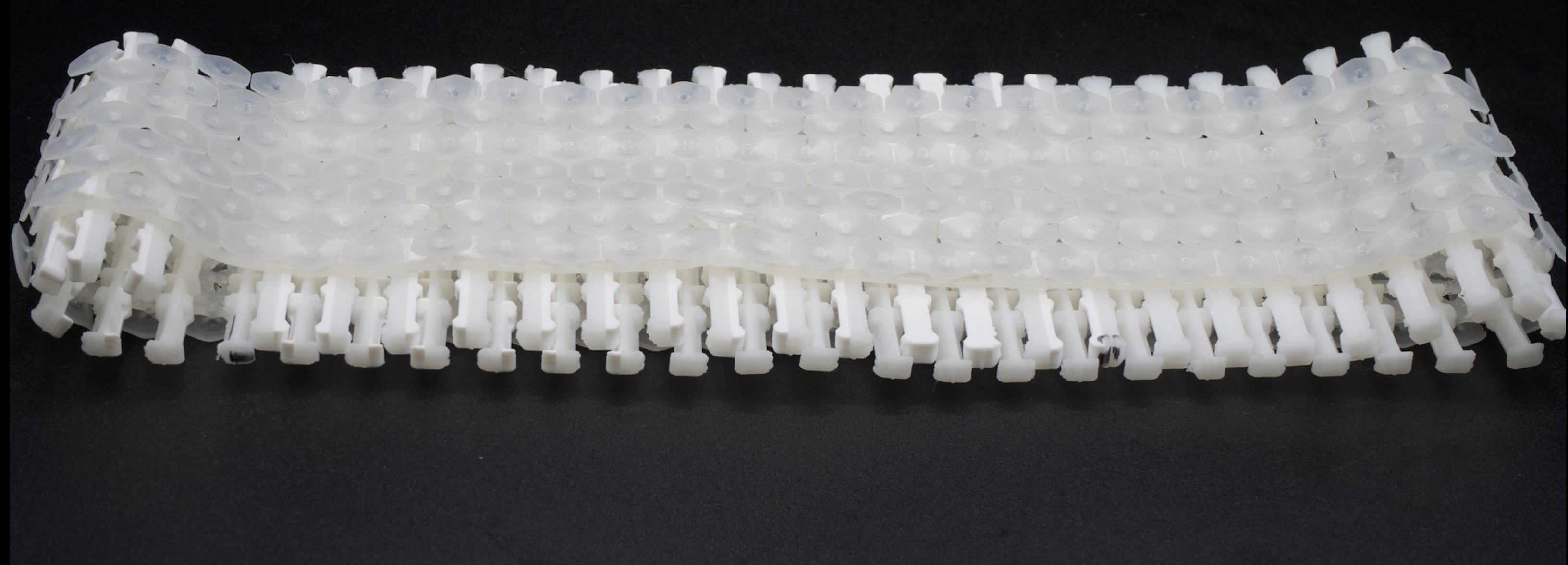
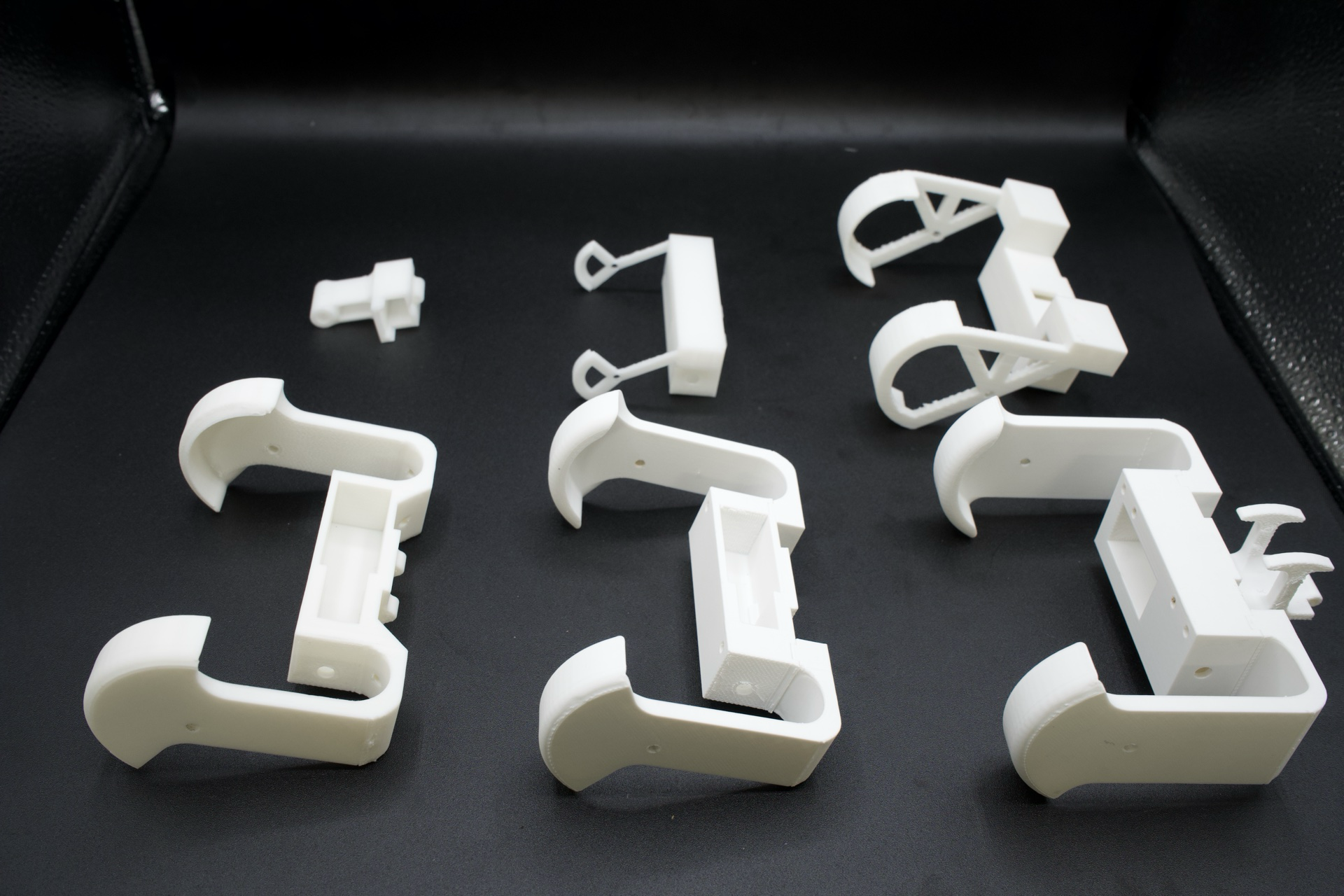
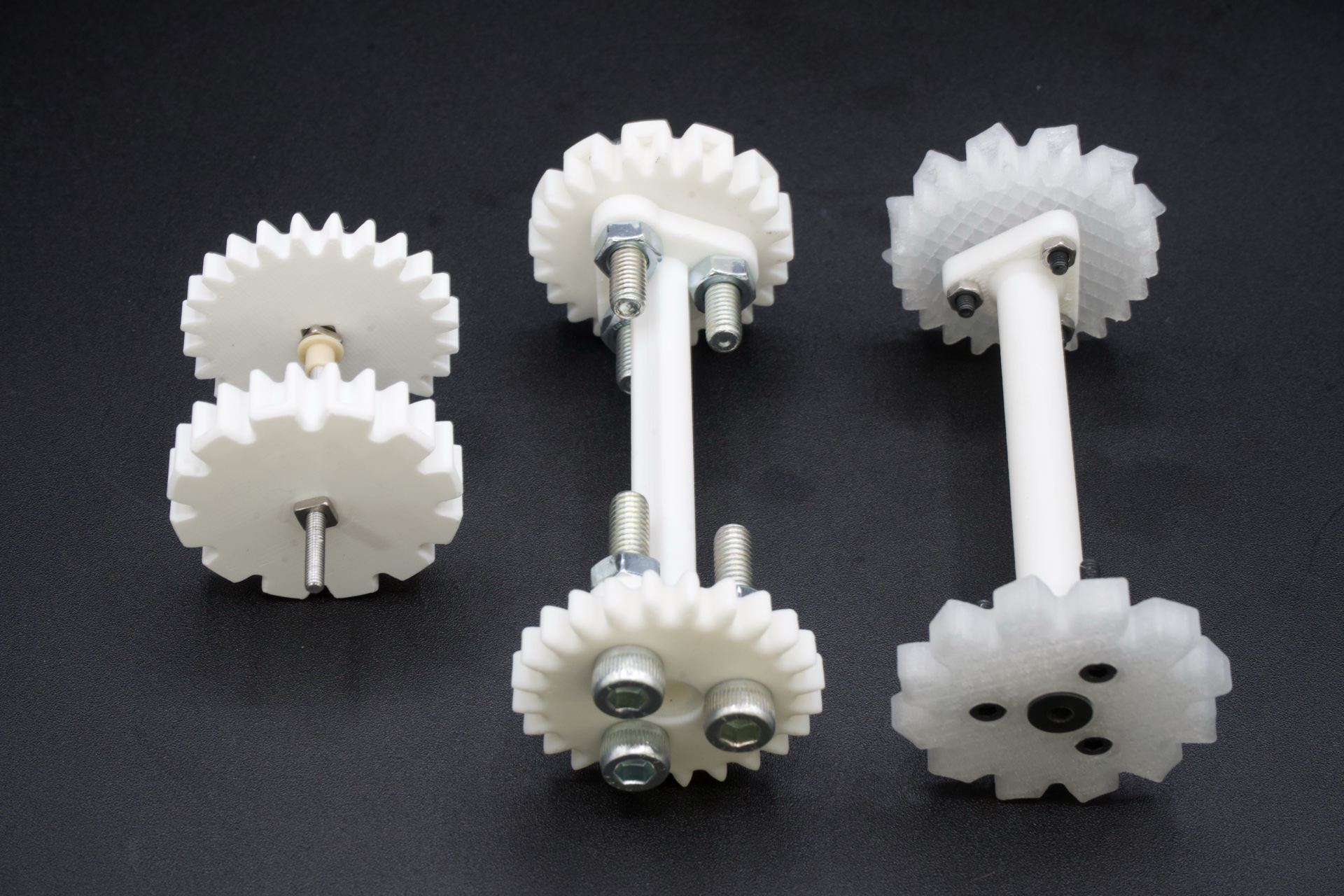
This project combined mechanical prototyping, CAD iteration, and hands-on testing. While still in its early stages, the suction tank robot gave me valuable insight into designing for unconventional mobility systems.